Rutland Food Waste Recycling
Where Does Rutland's Food Waste Really Go?
Have you ever tossed your leftover scraps into your household food caddy and wondered where it actually ends up?
For residents across Rutland, that weekly trip to the curb is just the beginning of a fascinating, eco-friendly journey.
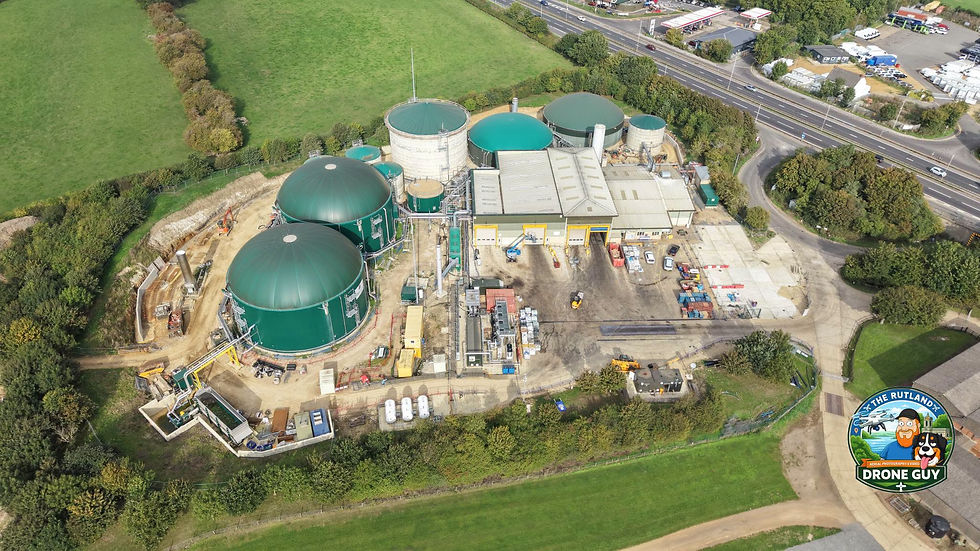
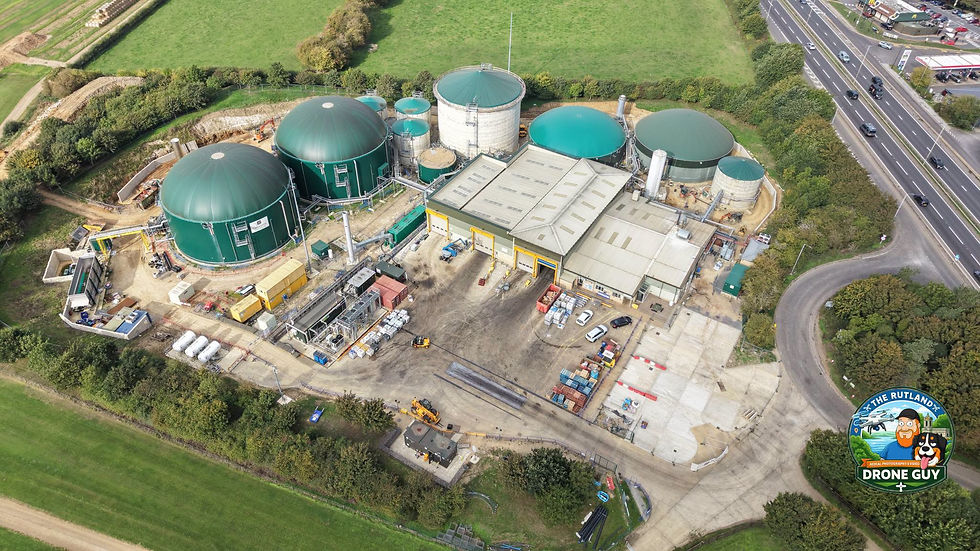
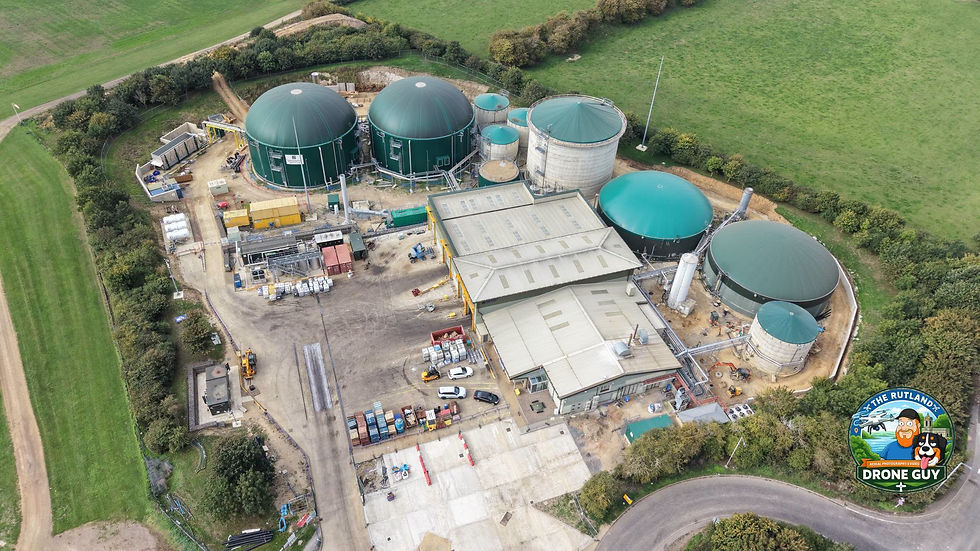
Known locally as The Rutland drone guy, a curious resident recently took a trip to the Fernbrook Bio anaerobic digestion plant near Kettering in Northamptonshire to capture a bird's-eye view of where Rutland’s collected food waste goes once it leaves the doorstep.
When Rutland County Council collects local food waste, it is transported directly to this state-of-the-art facility in Northamptonshire. Fernbrook Bio operates on a massive scale, processing more than 100,000 metric tonnes of organic municipal, commercial, and agricultural waste every year.
According to plant operators, the facility utilises specialised technology to handle everything from loose kitchen scraps to packaged and contaminated food waste. When mixed waste arrives, Fernbrook's systems deploy a certified destruction and depackaging center that thoroughly sorts and bales packaging residuals into single recycling streams while simultaneously destroying all product branding.
Once the clean organic material is isolated, it is blended into a thick, slurry-like substance and pumped into massive, sealed anaerobic digestion tanks. Inside these oxygen-free environments, naturally occurring bacteria break down the material to produce methane-rich biogas.
Fernbrook captures this generated biogas and puts it to work. Historically used to power local electricity generators, recent multi-million-pound facility upgrades allow the plant to upgrade the gas into clean biomethane for direct injection into the national gas grid. Altogether, the plant's output generates enough renewable energy to heat thousands of homes across the UK.
However, the process doesn't end with gas production. The remaining substance known as digestate undergoes strict hygiene, pasteurisation, and separation steps. This results in a nutrient-rich, high-grade soil improver that is safely sent out to enrich local farmland.
By diverting thousands of tonnes of food waste away from traditional landfills, Fernbrook's operations actively prevent harmful greenhouse gas emissions while building a sustainable circular economy for the region.
Seeing the sheer scale of the operation firsthand offers a brilliant reminder of why those little kitchen caddies matter. Rather than simply rotting away, our everyday leftovers are quietly powering homes and nourishing local soil.

Rutland’s Green Revolution, 90 Tonnes of Food Waste Diverted in Just Two Weeks
The residents of Rutland have proven that small changes at the kitchen sink can lead to massive results for the planet. Following the launch of a new dedicated food waste service, Rutland County Council has successfully diverted nearly 90 tonnes of leftover and unused food from the incinerator in only fourteen days.
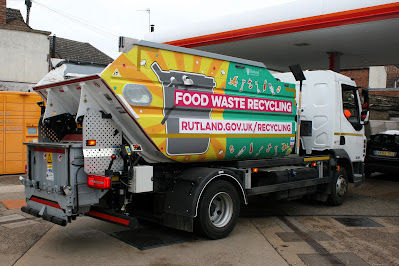
Introducing Rutland County Council's Dedicated Food Waste Collection Service
Rutland County Council is gearing up for a significant and legally mandated enhancement to its waste services: the introduction of a separate dedicated food waste collection service in March 2026. This vital change aims to boost recycling rates, improve efficiency, and significantly reduce the environmental impact of household waste.

Rutland County Council Appeals for Fair Government Funding to Cover Food Waste Collection Costs
Rutland County Council is urging the Government to provide additional funding to support the mandatory introduction of food waste collections in 2026.